
Partner With a Furniture Manufacturer Who
Understands Every Stage
Artasia partners with importers, retailers, brands, buying houses, designers and hospitality businesses to develop and manufacture furniture, home furnishing and rugs from Jaipur.
637,000+
Units manufactured &
shipped in the last decade
4-Stage
Quality control from
incoming material to loading
3 Categories
Furniture, home furnishing & rugs
through one partnership
7 Stages
From buyer brief to
production & export
1 POC
A named merchandiser who
knows your programme
Different Buyers. Different Needs. One Manufacturing Partner.
More Control Across the Supply Chain
Coordinate product development, manufacturing, documentation and shipment planning through one team - with furniture, home furnishing and rugs capable of sitting within the same sourcing programme.
Consistency Beyond the Seasons
Approved materials, finishes and product specifications become references for repeat production, helping collections remain consistent as programmes grow.
Developed for the Entire Customer Journey
Product engineering considers not only appearance, but packaging, transportation, assembly and the experience after the product reaches your customer.
Visibility You Can Pass On to Your Client
Work with a manufacturing team that understands documentation, inspection access, development communication and the responsibility that comes with representing another buyer.
Made for Repetition, Not Just Presentation
Products can be developed around project specifications, required finishes and repeatable construction - helping maintain visual consistency across larger hospitality programmes.
From Drawing to Built Products
Share technical drawings, renders, references or project requirements. Our teams can help refine materials, construction and manufacturing details before production begins.
What Working Together Actually Looks Like
Stays Yours
Ideas, drawings and developments shared for your programme are treated around the agreed commercial and product development relationship.
The Programme
Every new project starts with the history behind it. Specifications, approvals, development decisions and key details are documented, so the team always knows what came before.
From The Start
Target market, expected volumes and pricing expectations are better discussed early. It allows development decisions to be made around the commercial reality of the programme - not after the sample is finished.
Relationship
Not every partnership needs to begin with its largest possible programme. The right first step depends on category, construction, quantity and development requirement.
Before Commitment
Production planning works best when expectations are realistic from the beginning. Programme size, complexity and required delivery windows are considered before commitments are made.
With A Plan
Manufacturing is not always predictable. When something changes, the important thing is visibility: what happened, what it affects and what needs to happen next.
You Shouldn't Have to Manage the Factory From Your Desk
A manufacturing partner should reduce the number of decisions your team has to chase, not create more of them.
You bring the market context and the decisions that belong to your brand. We take responsibility for turning those decisions into something we can actually execute.
You Define the Non-Negotiables
Your market, customer, target positioning, key dimensions, design intent and commercial priorities stay with you. We work around those boundaries rather than quietly redefining them during production.
We Work Through the Technical Detail
Construction, joinery, material behaviour, component logic and production feasibility should not become homework for your buying team. That is where the manufacturing side is expected to contribute.
You Approve the Reference
Before bulk begins, the important decisions need a clear point of approval - whether that is a sample, finish, material, hardware or packaging direction. Once approved, that becomes the reference production works toward.
We Manage the Dependencies Behind It
One product can depend on timber, hardware, finishes, upholstery, packaging and multiple manufacturing processes arriving in the right sequence. Your team should not need to coordinate each of those pieces individually.
You Stay in Control Without Being in the Factory
The goal is visibility without micromanagement. You should know what needs your decision, what is progressing normally and where something has changed - without having to follow every production step yourself.
Six Ways We Can Start Working Together
Some partners arrive with finished specifications. Others arrive with a reference image. Start with what you already have.
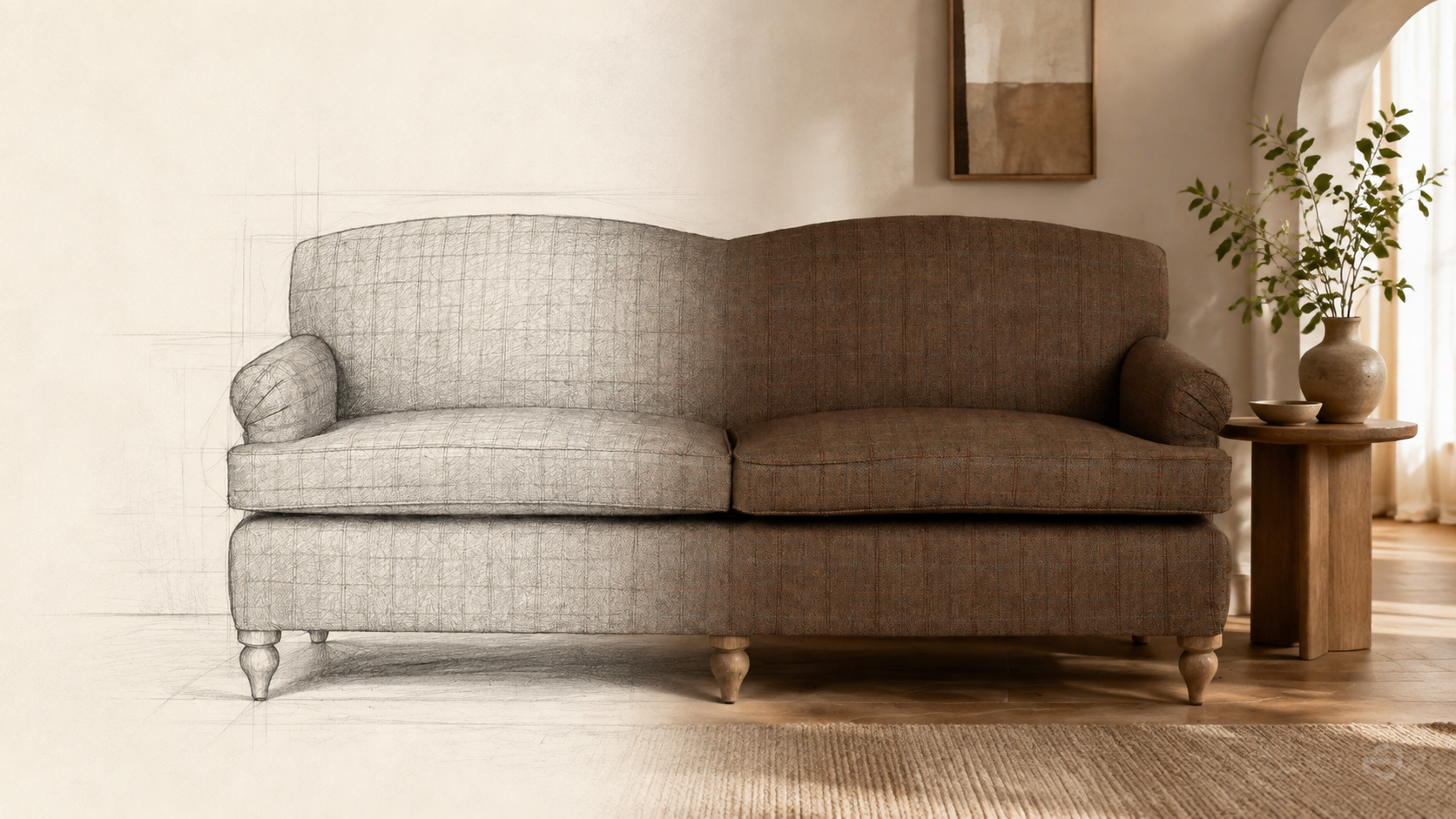
OEM MANUFACTURING
Your Product. Built to Specification.
Share approved technical drawings, material requirements, construction details and specifications. We engineer the product for production, develop the sample and manufacture against the approved reference.
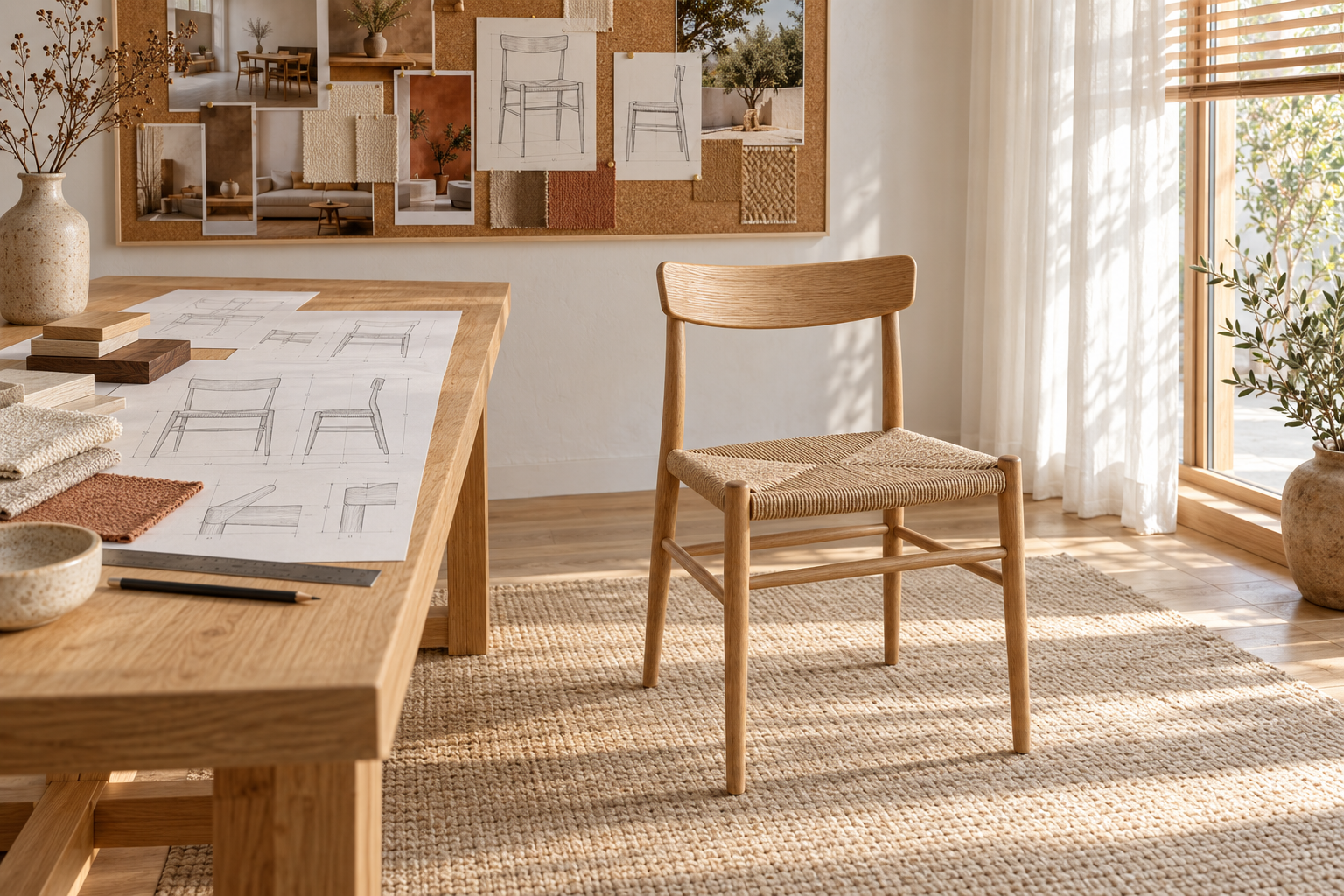
ODM Product Development
Your Market Direction. Developed Into Product.
Bring a category, aesthetic direction, target market or commercial brief. Our teams help develop the product through design interpretation, materials, construction, costing and sampling before manufacturing begins.
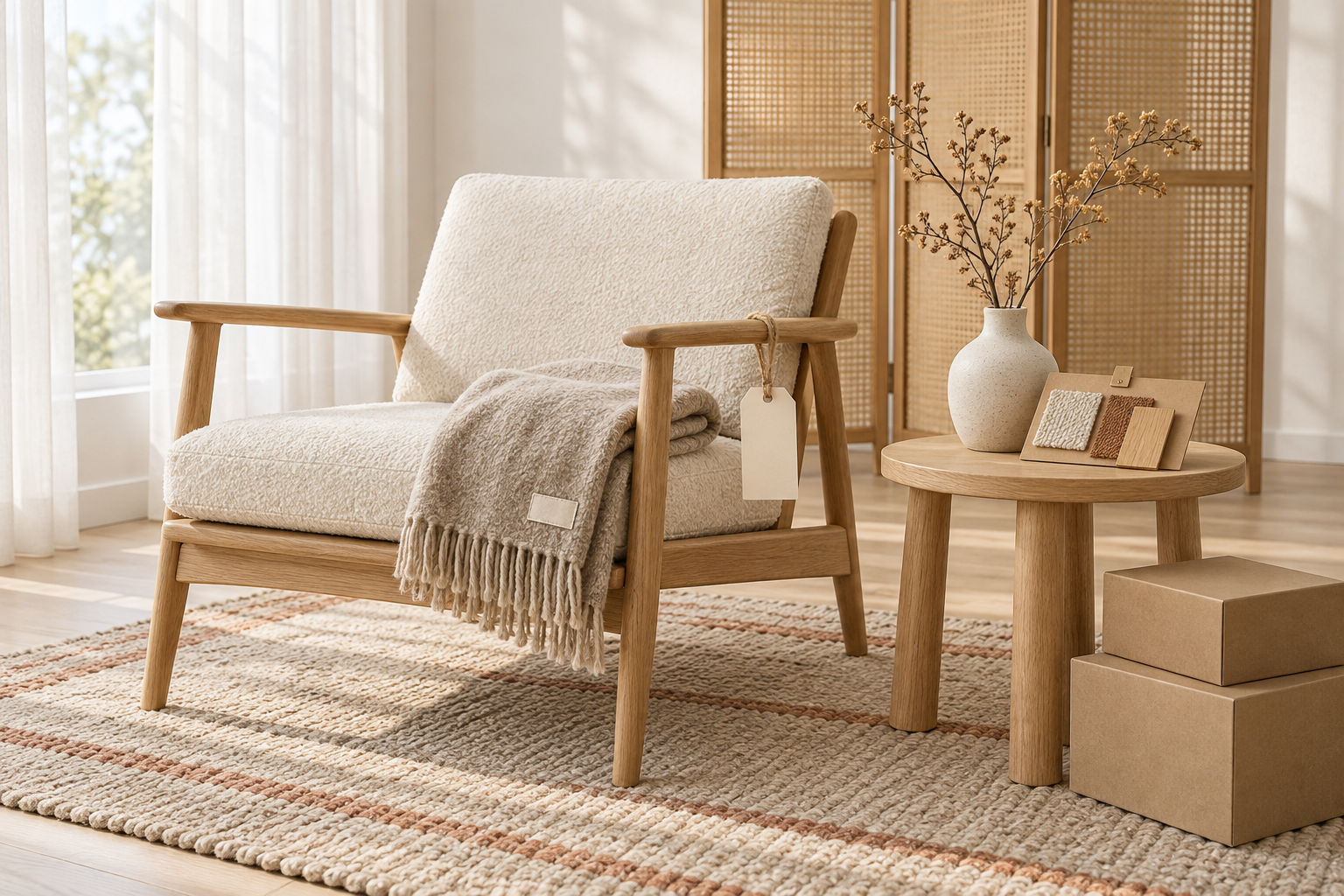
Private Label
A Collection Built Around Your Brand
Develop products around your assortment, branding, packaging and retail requirements. Private label can include existing development directions or products created specifically around your programme.
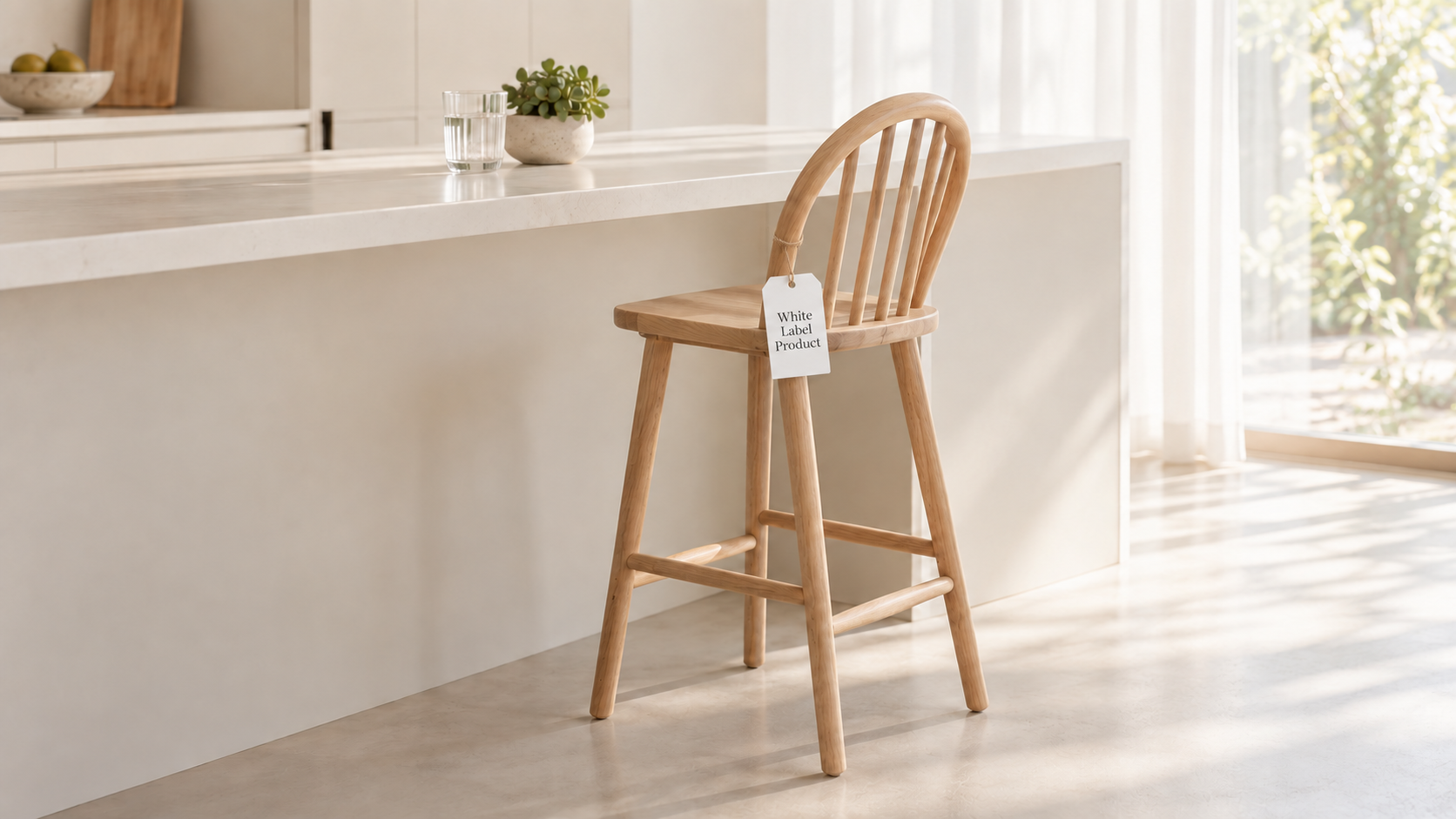
White Label
Choose a Production-Ready Product. Make It Yours.
Start from an existing Artasia design that is already developed for manufacturing, then adapt the branding, labelling, packaging and presentation for your market. It is a faster route to launch when you want to reduce development time without starting from a blank page.
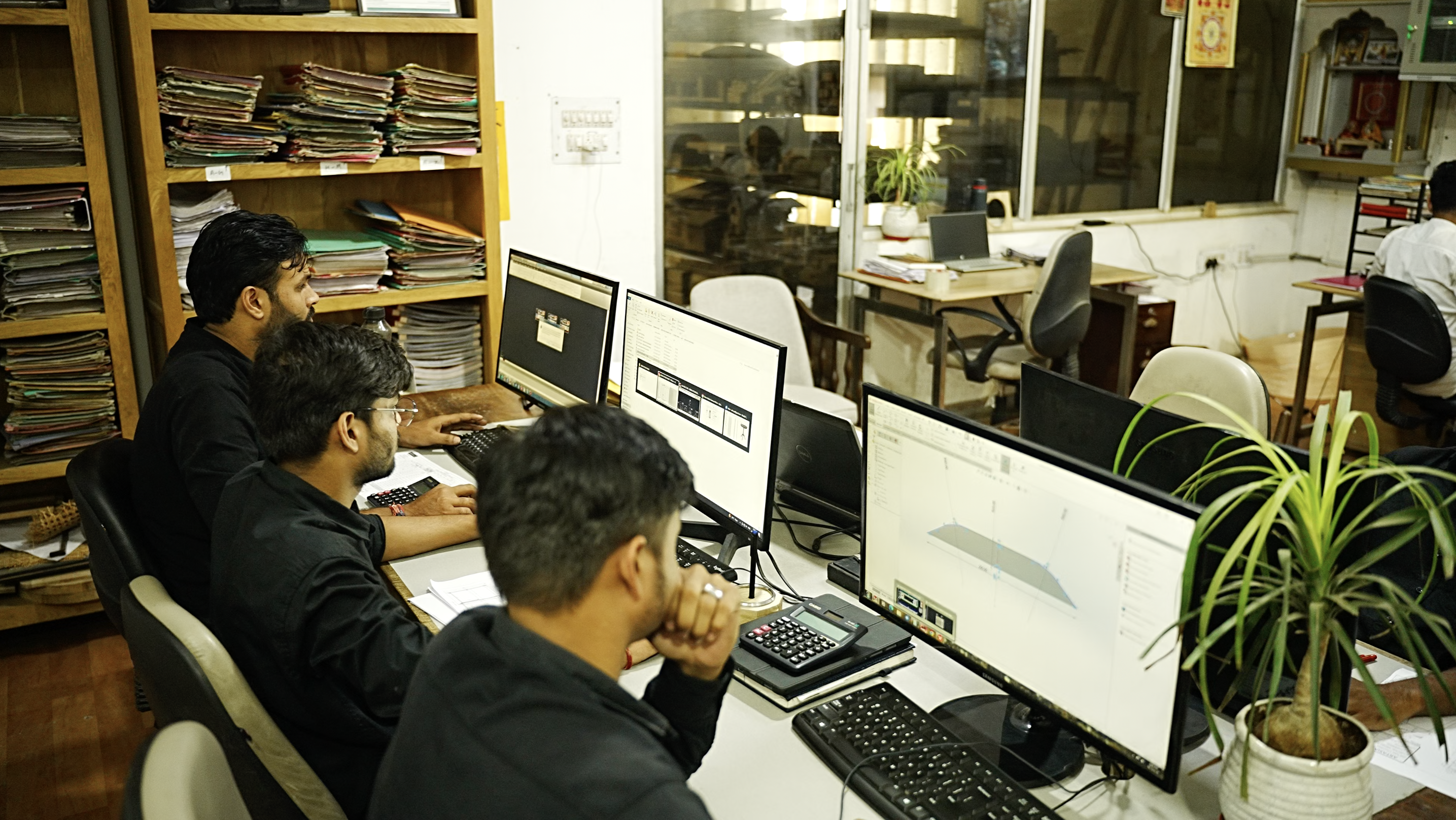
Design Collaboration
Develop the Idea Together
For programmes requiring deeper creative collaboration, your team and ours can work together from initial direction through technical development. The aim is to preserve the design intent while solving what needs to work in production.
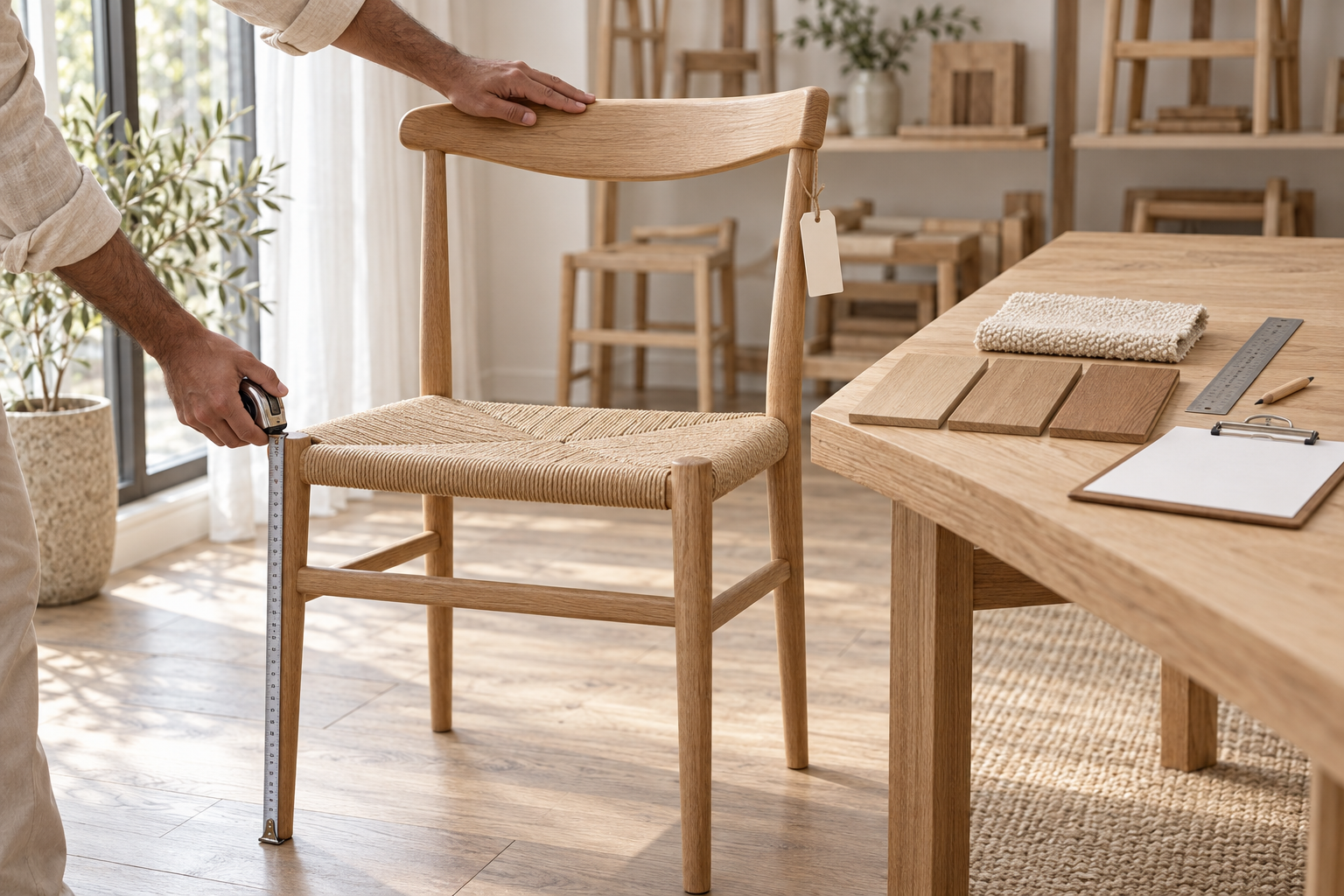
Sampling
Make It Real Before You Scale It
Sampling brings the specification into the physical world. Proportion, finish, construction, material behaviour and practical details can be reviewed before the programme moves into bulk manufacturing.
Dedicated Spaces for All Three Categories
Explore each capability independently - developed, manufactured and managed through Artasia.
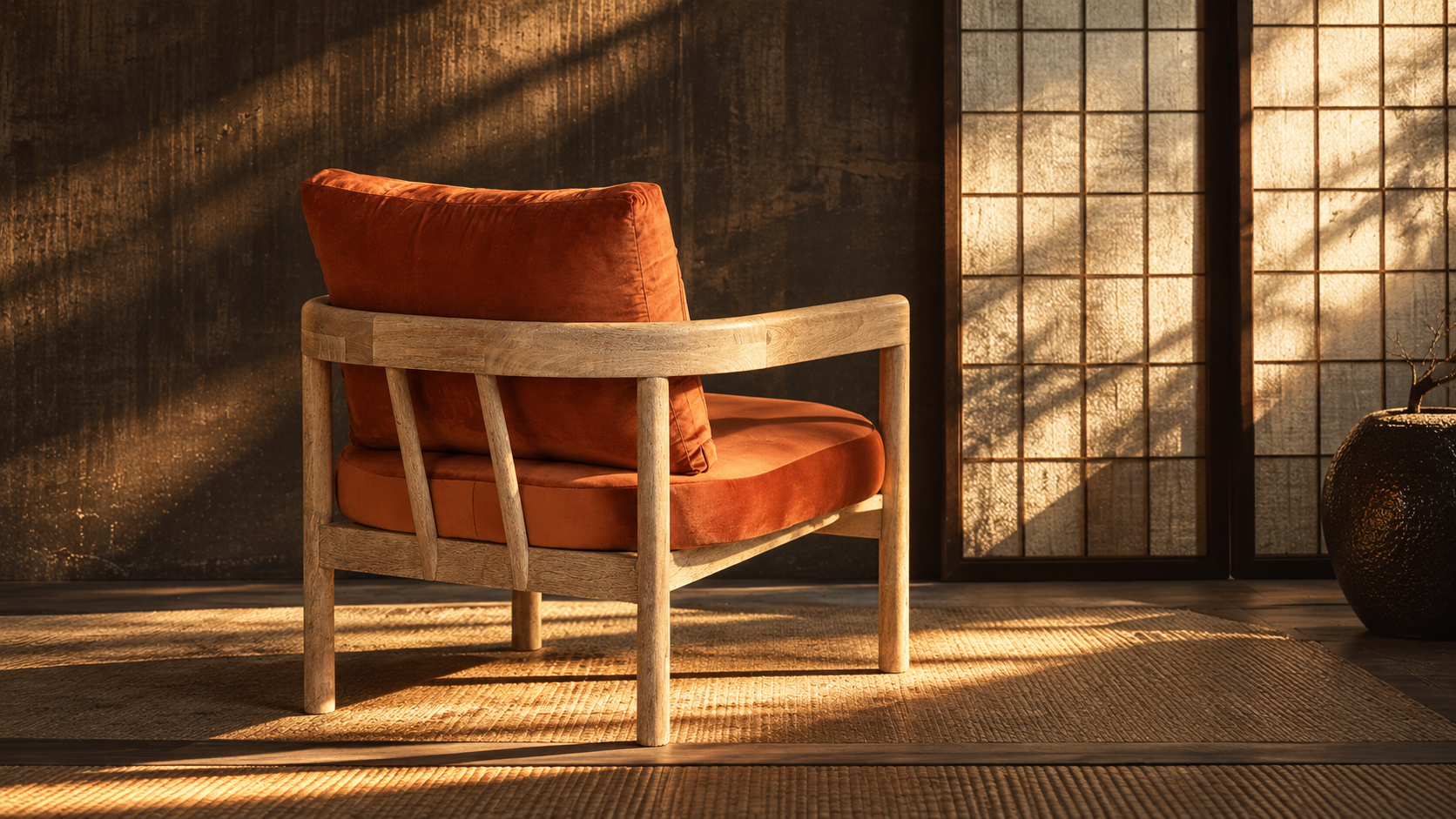
Furniture
- Living, dining, bedroom, storage & accent programmes
- Mango wood, oak, steam beech
- Solid wood, upholstered & mixed-material constructions
- In-house woodworking, joinery, finishing & upholstery
- OEM, custom development & repeat-production capability
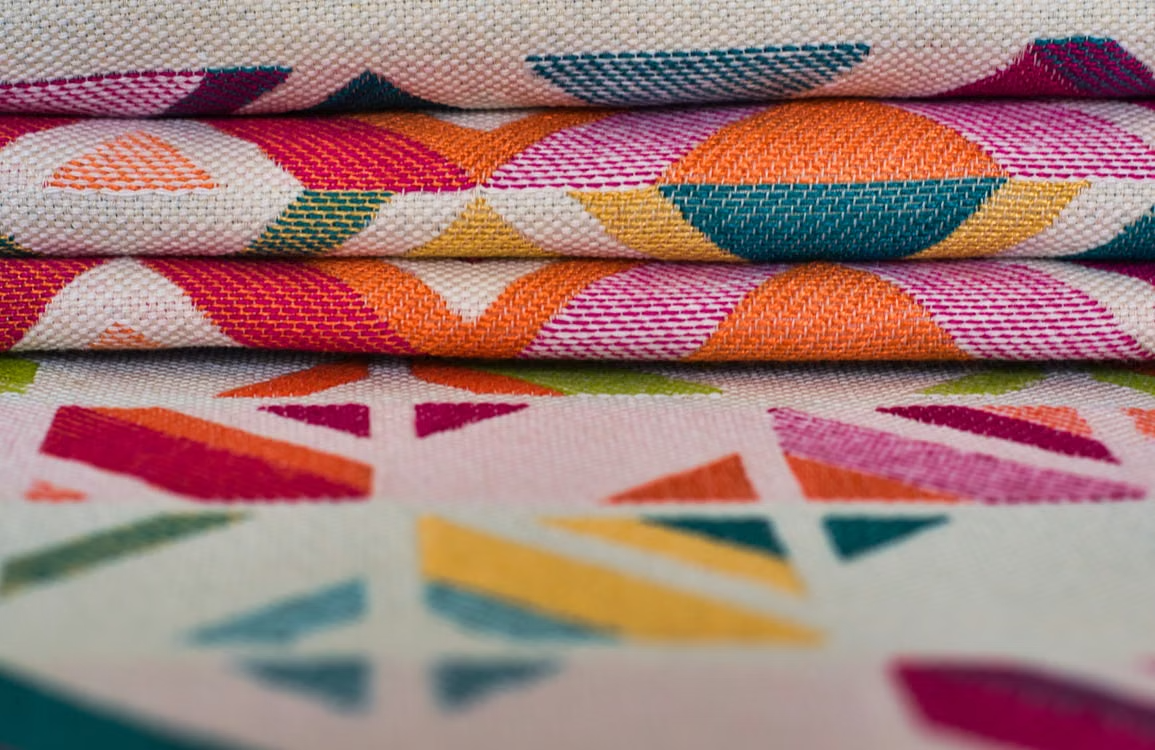
Textiles
- Cushions, throws, bedding, quilts & table linen
- Natural fibres, woven textures & decorative constructions
- Embroidery, quilting, weaving & print capabilities
- Custom colours, materials & collection-led development
- Private label, curated and coordinated home programmes
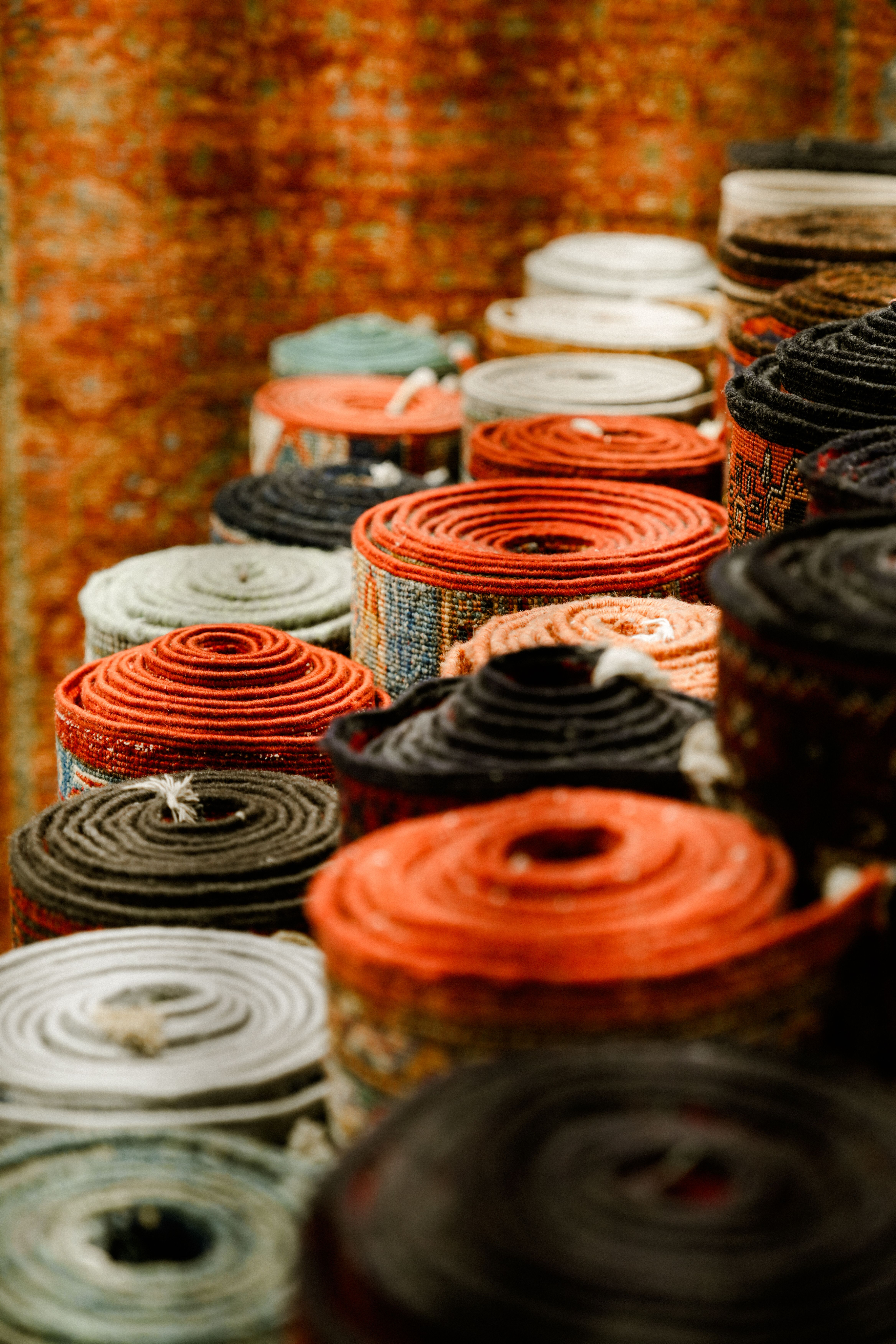
Rugs
- Handwoven, hand-tufted, flatweave & printed constructions
- Natural fibres across varied textures and finishes
- Custom sizes, patterns, colours & surface developments
- Developed as standalone ranges or coordinated collections
- Buyer-led development from reference, artwork or brief
Seven Stages – From Concept to Production
The same sequence runs whether you arrive with a finished tech pack or a photograph on your phone. Nothing moves forward until you approve the stage before it.
You share the product direction, market, commercial expectations and whatever development material already exists.
Materials, dimensions, construction, costing and production feasibility are worked through before the product moves further.
The idea becomes a physical sample that both teams can review against the intended design and commercial requirement.
The approved specifications become the production roadmap, with every detail documented and aligned before manufacturing begins.
The approved product moves into manufacturing against the locked specification.
Checks take place across key manufacturing stages rather than relying only on a final inspection.
Packing, documentation and shipment planning bring the programme from the factory floor toward its destination market.
Making the Product Is Only Half the Journey
Every order is planned with the journey ahead in mind. From protective packaging to shipment coordination, we pay attention to the details that help products arrive ready for their next destination.
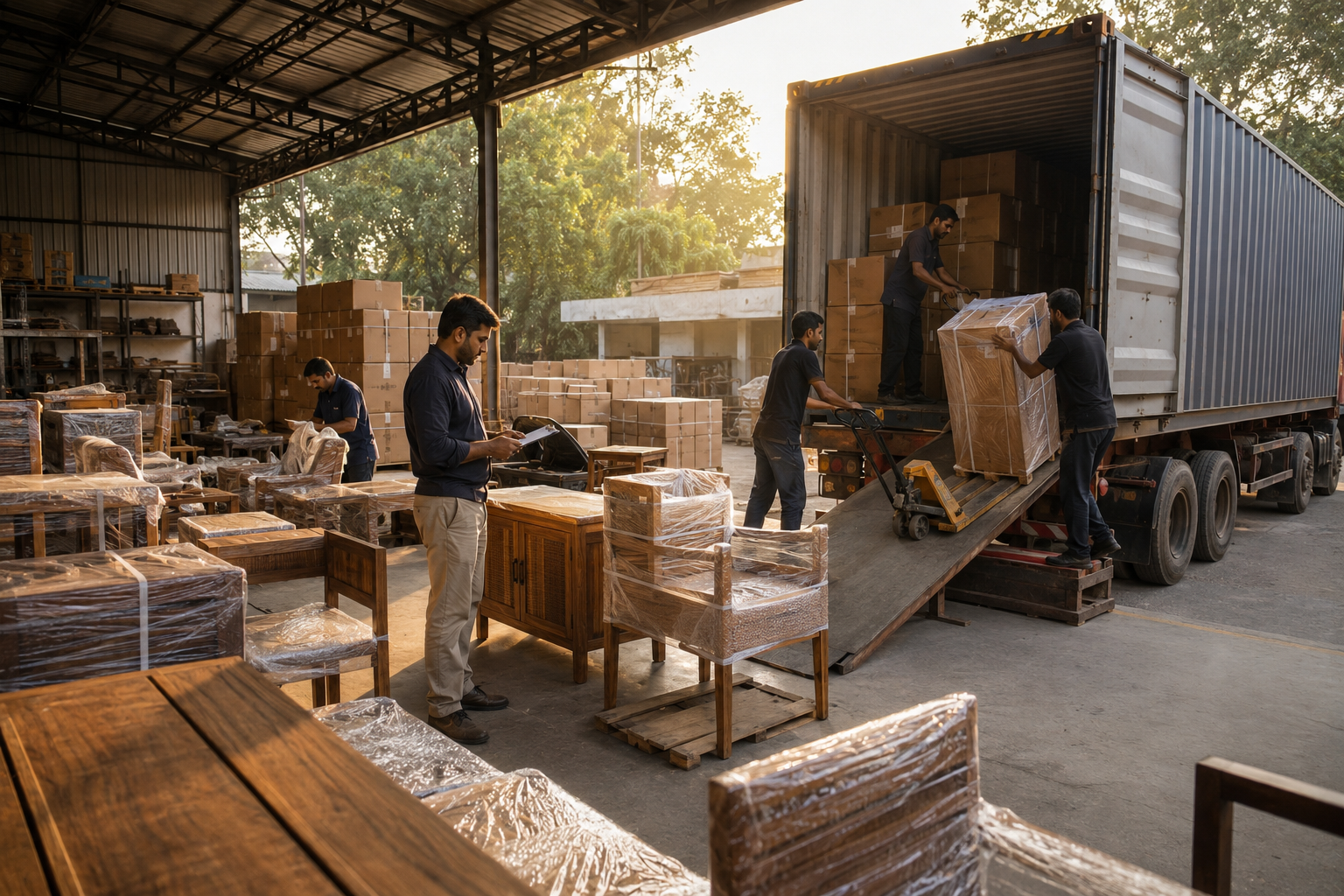
Working Across 35+ Countries
Artasia currently works with buyers across 35+ countries, including major markets across North America, Europe, the UK and Australia.
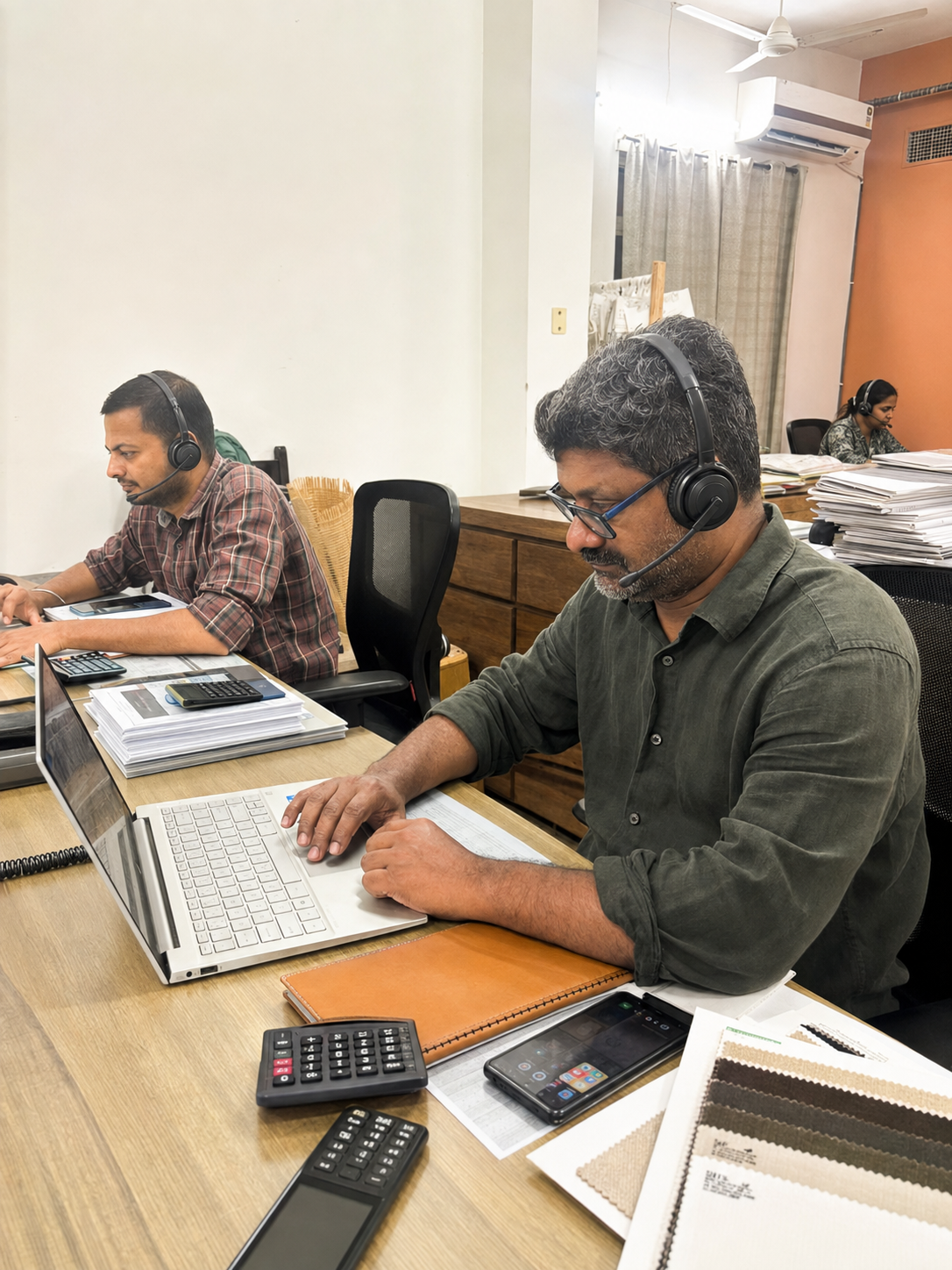
Enquiry to Shipment
Our merchandising structure is designed to keep specifications, approvals and programme context connected throughout the relationship.
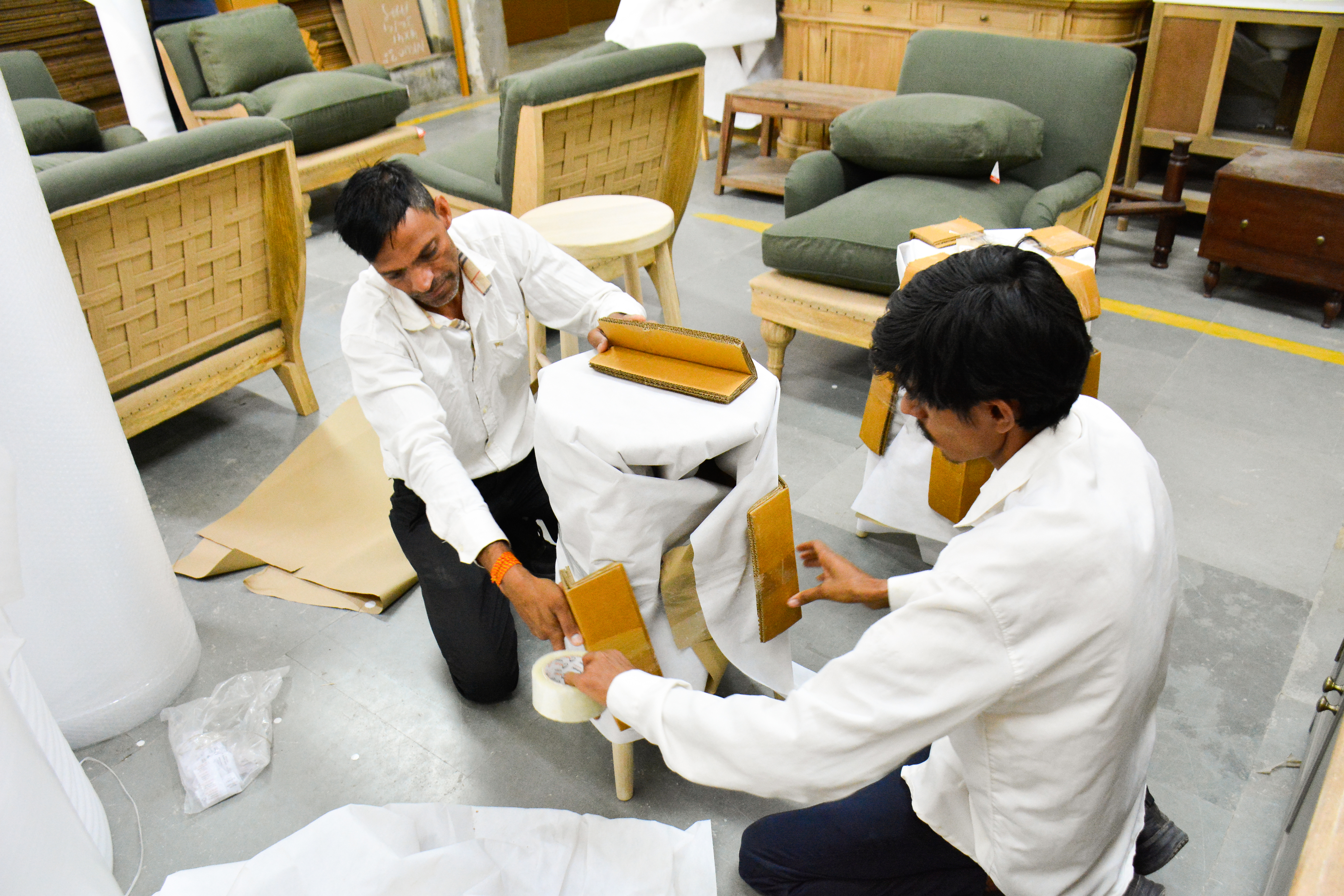
Designed Around the Product
Packaging requirements vary depending on the product, market and the wider programme rather than being treated as an afterthought at dispatch.
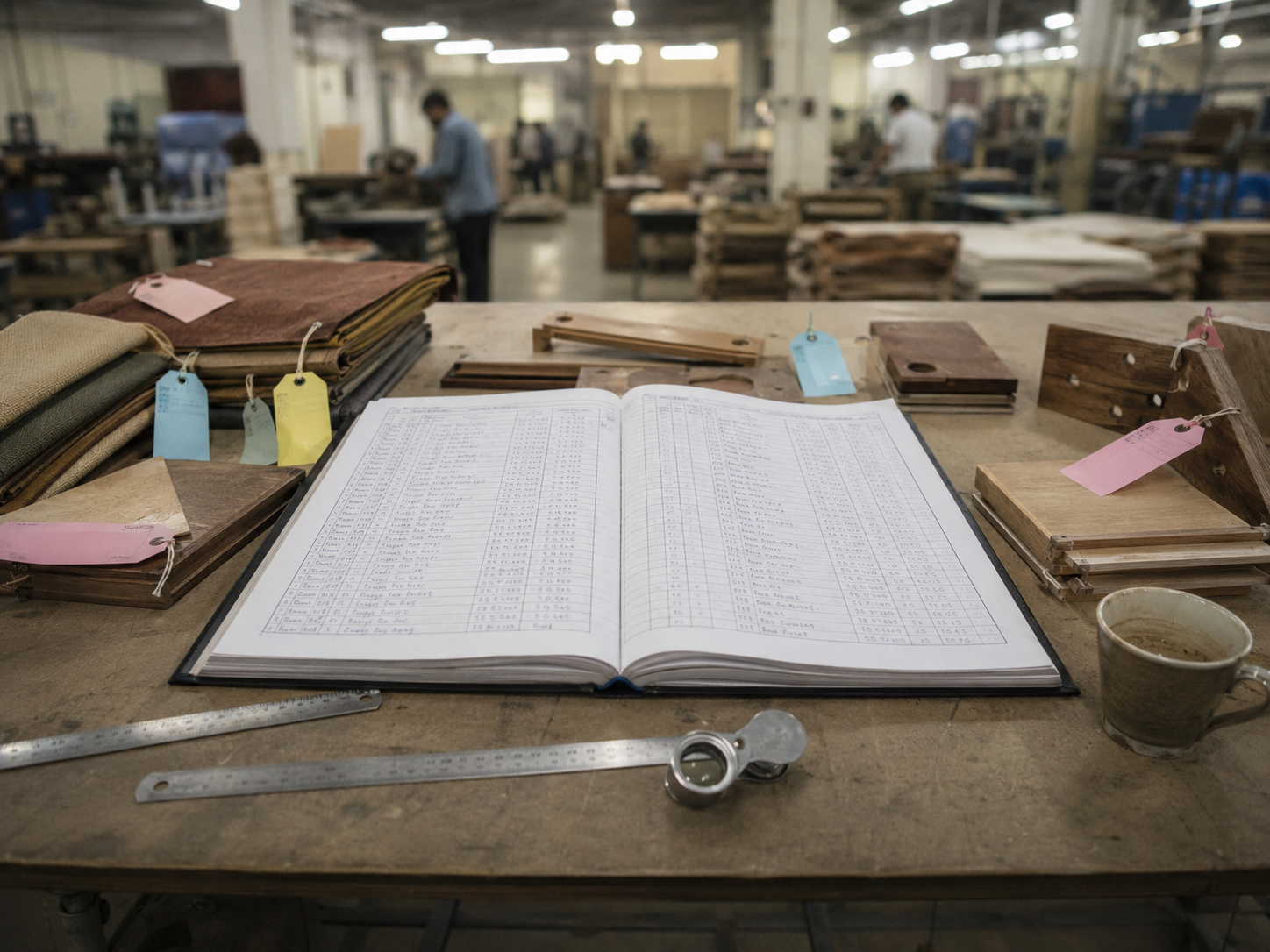
Prepared Around Destination
Export documentation and relevant product or sourcing documentation are coordinated according to the destination market and programme requirements.
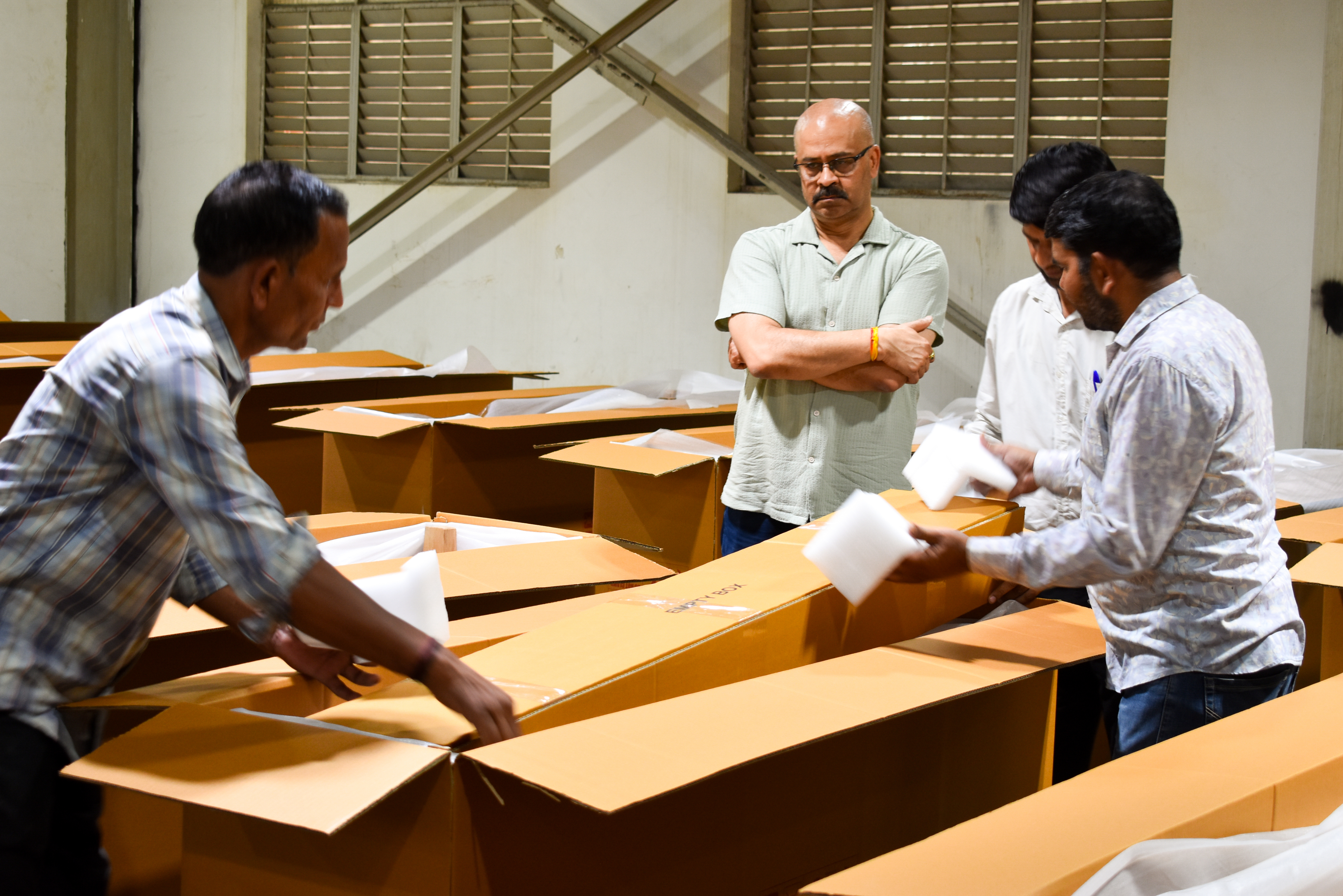
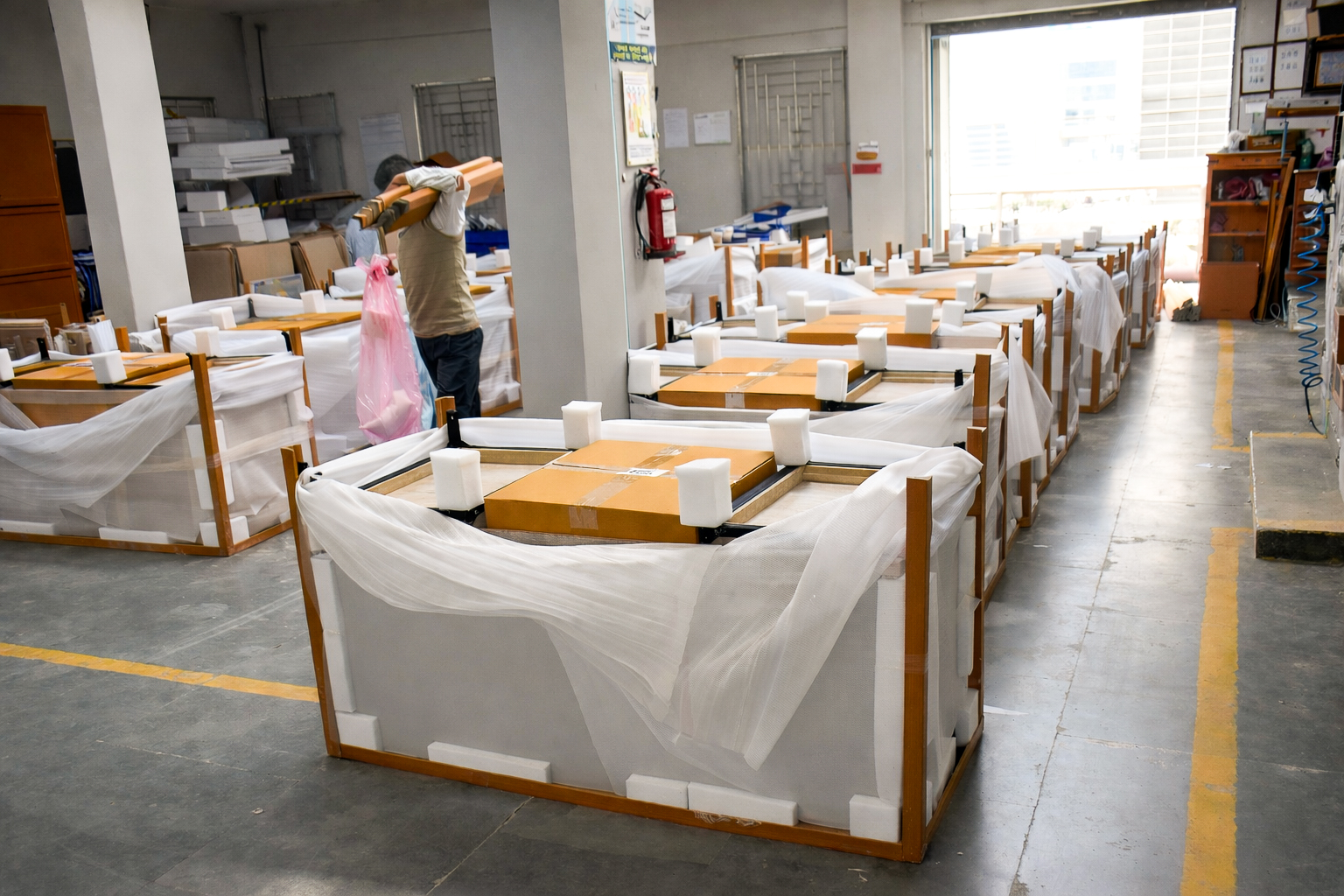
Plan the Container Before It Becomes a Problem
Furniture, home furnishing and rugs can have very different freight profiles. Planning mixed-category programmes earlier can help buyers make more informed decisions around the shipment as a whole.
Partnerships, Not Purchase Orders
A few of the programmes we have built with buyers who started with a single trial order.
A Ten-Year Home Programme for a French B2C Retailer
Started with one dining range. Now [X] SKUs across furniture and textiles, developed season on season, built specifically for French B2C price architecture.
Read Case Study →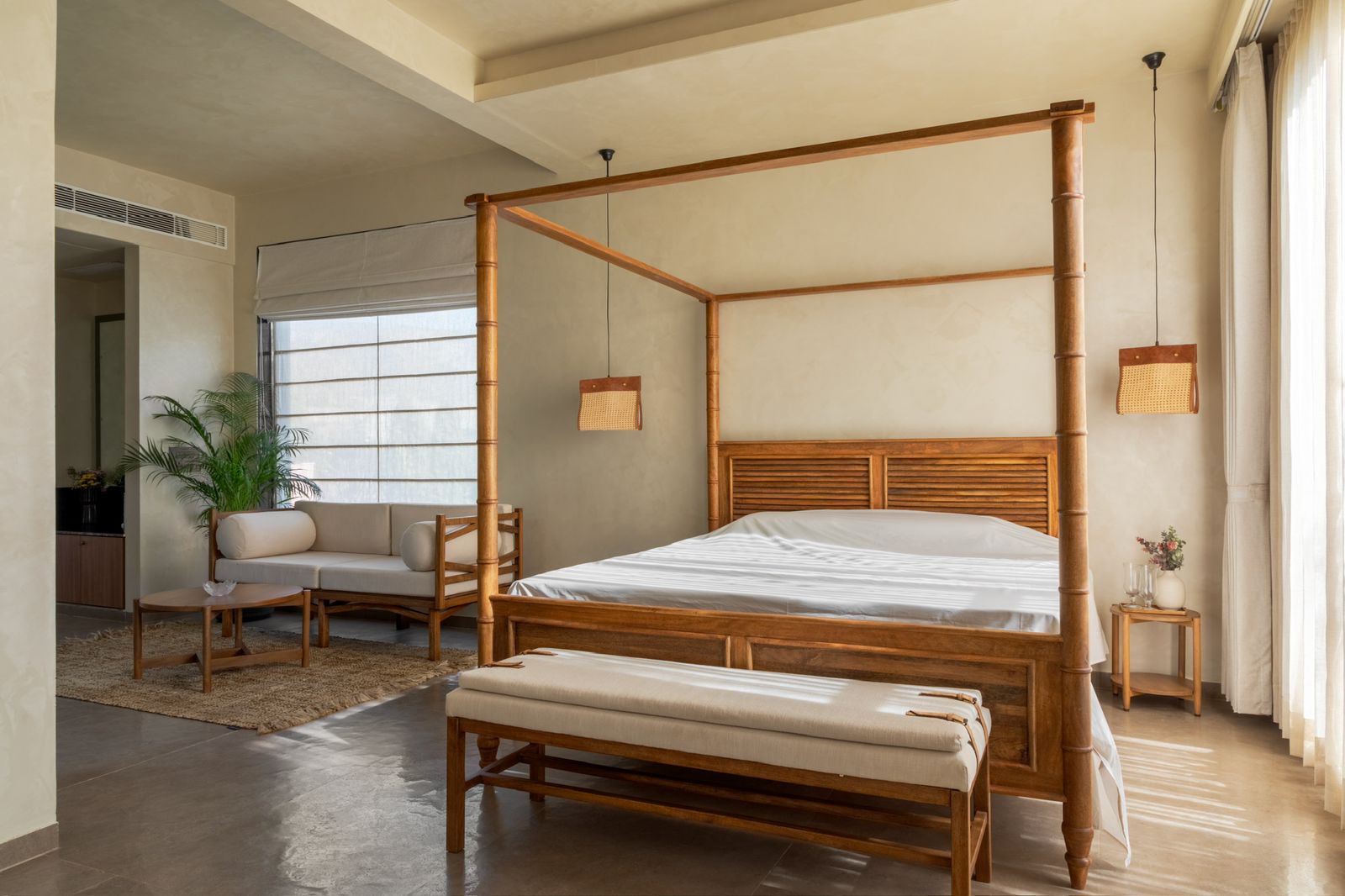
A Bedroom Collection Rolled Out to [X] Stores
Private label from first sketch: brand-owned packaging, retail-ready labelling and a locked reference sample that has held specification across [X] repeat containers.
Read Case Study →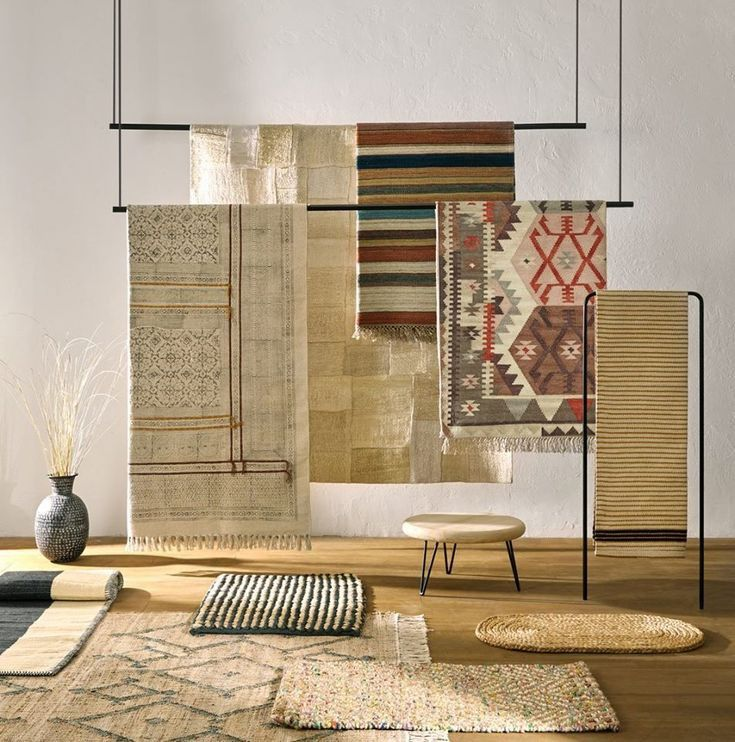
Coordinated Rugs and Home Furnishing for a D2C Brand
Flat-pack engineering and drop-test packaging cut parcel damage claims by [X]%, with opening quantities low enough to test [X] new colourways a season.
Read Case Study →