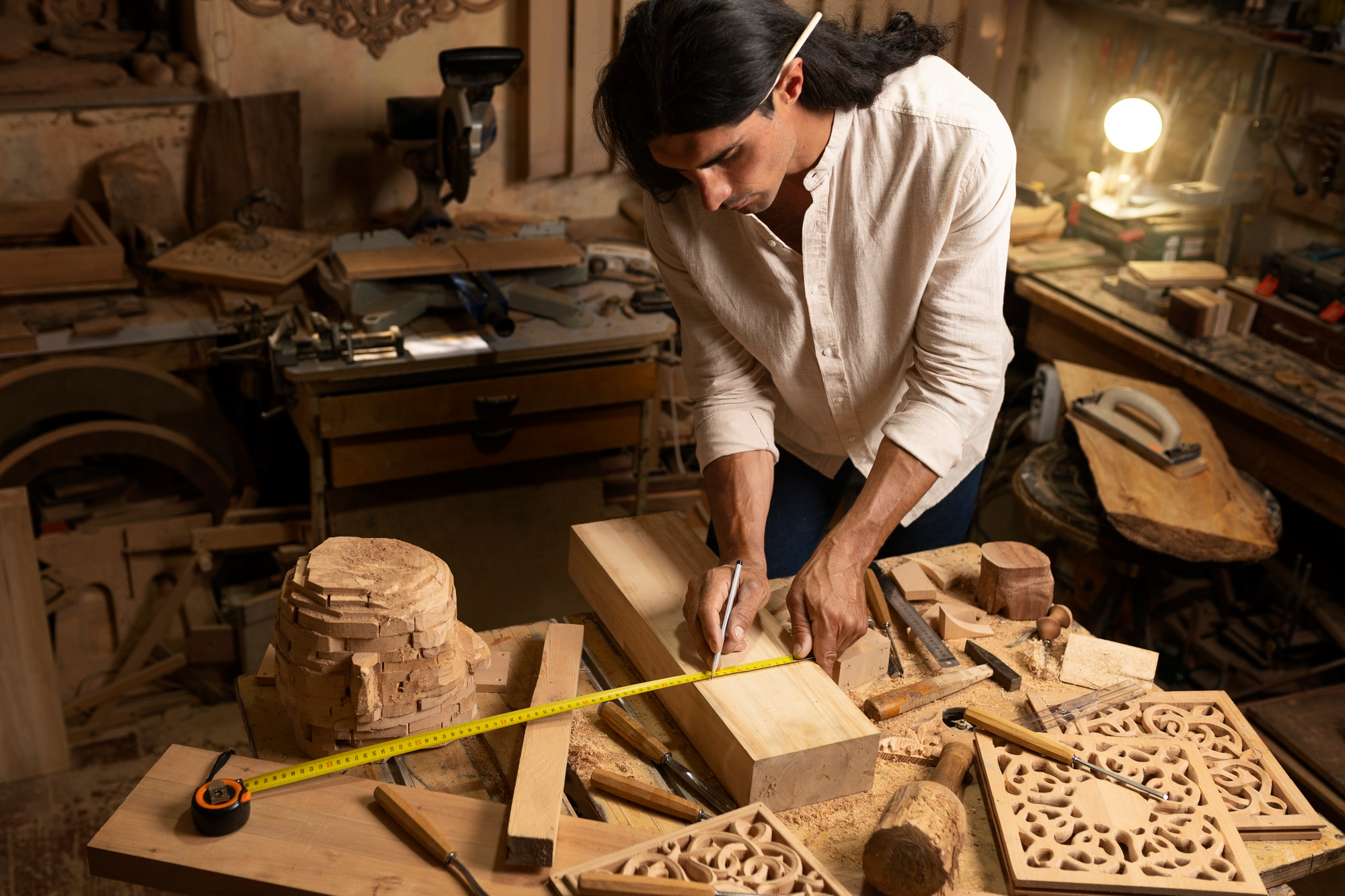
Ideas From the World of Furniture, Home Furnishing and Rugs
Stories, perspectives and ideas from the worlds of furniture, design, materials and global manufacturing.
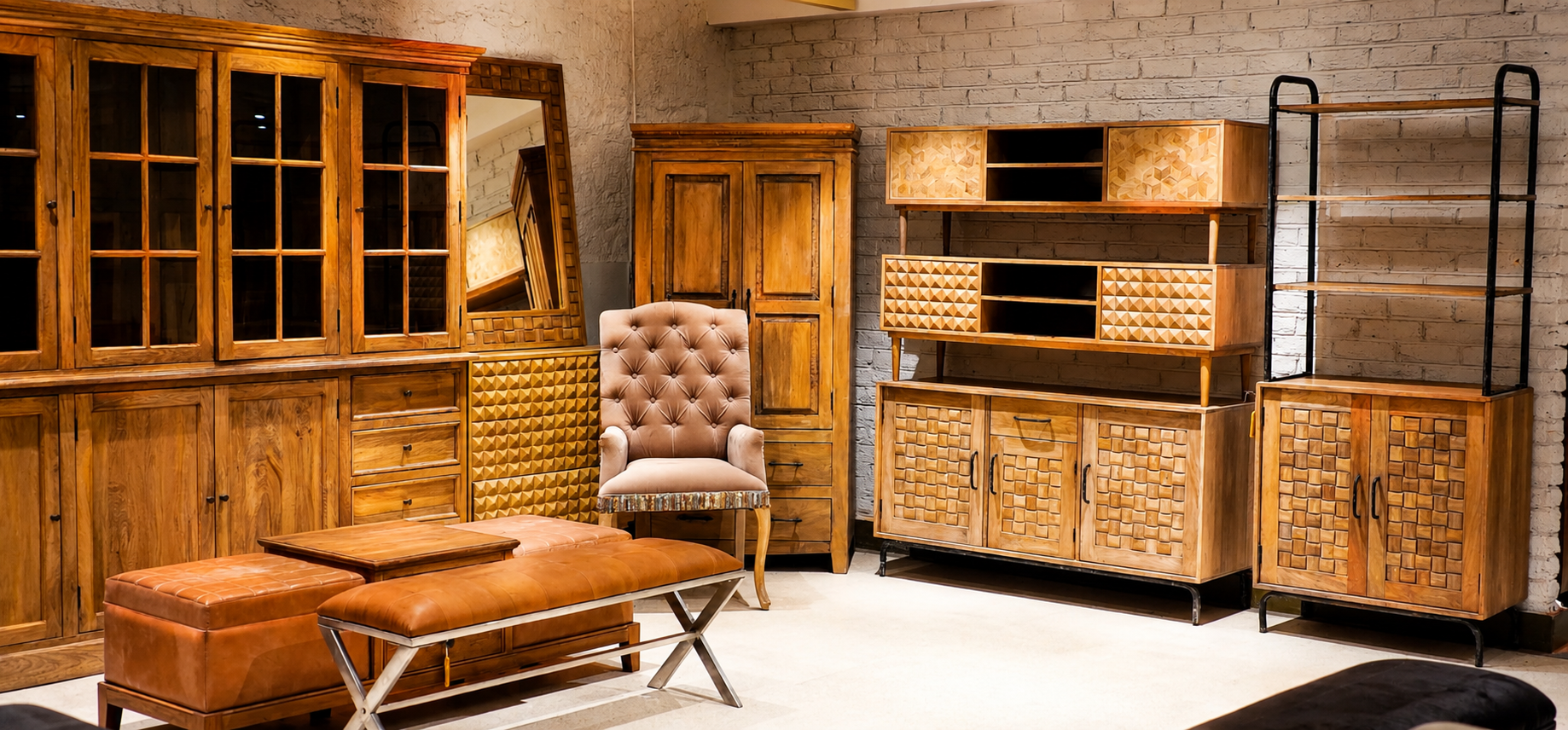
A Closer Look at How Things Are Made - and Why It Matters
Home decor is often judged by what can be seen: proportion, finish, material and form.
But behind every finished piece are hundreds of decisions that determine whether it performs well, ships safely, repeats consistently and makes commercial sense.
This page brings some of those decisions into the open - from material behaviour and product development to manufacturing, sourcing, sustainability and the lessons we continue to learn from working across global markets.
Read Our BlogsNEWLatest Blog
From Craft to Global Homes: How Artasia Brings Indian Manufacturing to the World
For nearly three decades, Artasia has been creating furniture, textiles, and lifestyle pieces that travel far beyond their place of origin. What begins with material selection, design thinking, and skilled craftsmanship in India eventually becomes part of homes, retail spaces, hospitality projects, and lifestyle environments across the world. At the heart of this journey is a simple belief: furniture is not just manufactured, it is carefully built through process, precision, and purpose. Artasia’s approach brings together traditional craftsmanship and modern manufacturing systems. From solid wood furniture and handwoven textiles to rugs, finishes, packaging, and export-ready production, every stage is designed to meet the expectations of international buyers. The global furniture market today demands more than beautiful products. Buyers are looking for consistency, compliance, sustainability, flexible design capabilities, and reliable partnerships. Artasia continues to build around these expectations by investing in infrastructure, skilled teams, responsible sourcing, and quality-led production. As the world looks for furniture that carries both character and capability, Artasia stands as a manufacturing partner rooted in Indian artistry and shaped for global markets.
Insights From Our Leaders
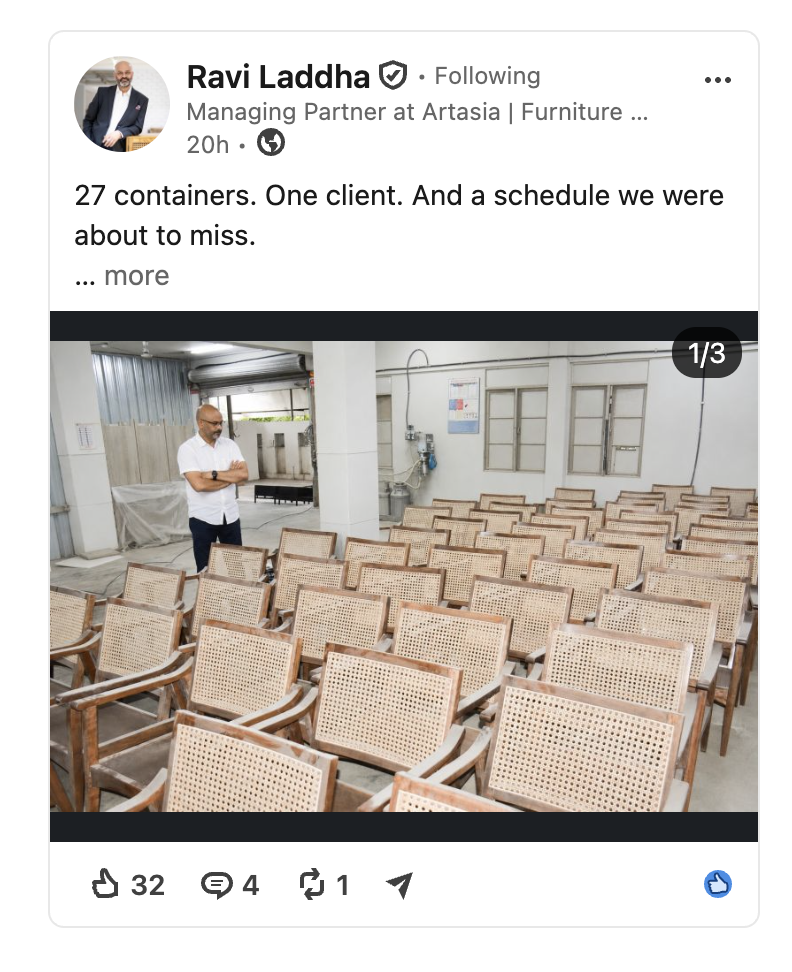
Follow our founders on LinkedIn for perspectives on manufacturing, materials, export, product development and the changes shaping the furniture industry.
Frequently Asked Questions (FAQ)
What does an Outsourced Chief Compliance Officer (CCO) do?
An Outsourced Chief Compliance Officer (CCO) provides experienced compliance leadership without the need for a full-time internal hire. Depending on your firm's needs, an Outsourced CCO can oversee your compliance program, support regulatory decision-making, assist with policies and procedures, monitor ongoing compliance obligations, and help prepare for SEC examinations. This approach gives firms access to strategic compliance expertise while remaining flexible and scalable.
How often should RIAs conduct an annual compliance review?
Under Rule 206(4)-7 of the Investment Advisers Act, Registered Investment Advisers are generally expected to conduct an annual compliance review to evaluate the effectiveness of their policies and procedures. Many firms also benefit from periodic compliance program reviews throughout the year to address evolving regulations, operational changes, and emerging compliance risks.
What happens during a Mock SEC Examination?
A Mock SEC Exam is designed to help firms evaluate their examination readiness before an actual SEC examination. It typically includes a review of compliance documentation, policies, books and records, operational processes, and regulatory filings. The goal is to identify potential gaps, strengthen documentation, and help firms approach examinations with greater confidence.
What services does an RIA compliance consultant provide?
RIA compliance consultants support Registered Investment Advisers with a wide range of regulatory and operational needs, including ongoing RIA compliance support, SEC compliance consulting, compliance program development, Outsourced CCO Services, annual compliance reviews, SEC examination preparation, regulatory filings, compliance testing, and ongoing compliance monitoring. The level of support is tailored to each firm's business model and regulatory obligations.